Removal Companies in Queens Park

Our removal companies service in Queens Park is designed for people who want a straightforward move plan, careful handling and a practical team to manage the physical work. We help with household removals, smaller relocations and moving support that can include packing, loading and transport, depending on what you need. The aim is simple: make the move organised, protect your belongings and keep the process clear from the first enquiry to the final collection.
Queens Park moves often involve a mix of property types, stair access and narrow timing windows, so our approach stays focused on planning rather than guesswork. We look at what needs moving, how it should be handled and what type of vehicle or crew is likely to suit the job. If you are comparing removal services for a flat, house or business move, the right setup matters as much as the route itself. Removal services can cover the core lifting and transport work, while extra support such as packing can be added when it is genuinely useful.
For a quotation, send over the basic move details and we will help you decide the most suitable option.
Home removals planned around the move itself
Home removals are often about balancing speed with care. A well-run house move needs more than a van and a driver; it needs the right sequence for dismantling, wrapping, carrying and unloading items without creating avoidable stress. We focus on the practical side of moving furniture, boxes and household effects so that the work is handled in an orderly way. Where required, our team can support a full-house move or a smaller domestic move with the same attention to access, timing and item protection.
For many customers, the key decision is whether they need a broad moving package or just the transport and lifting parts. If you already know the scale of the move, a clearer service match is easier to arrange. Some households want help with heavy furniture and larger items, while others need a flexible team for a compact move with a short loading list. Home moves can suit a range of domestic jobs, and it is usually best to choose the version that matches the size of the property, the amount of furniture and the level of help you need.
Useful information for a quote can be simple and specific. Room count, access, any bulky items and preferred timing are often enough to start with, and they help avoid vague estimates that do not reflect the job properly. If you are not sure how much help you need, a short list of items and a few notes about stairs, parking or shared entrances can make the conversation much more productive. Clear information at the outset helps the move plan feel calm rather than rushed.
Household moving options for different property types

Domestic removals are rarely identical from one address to the next. A family house, a first-floor flat and a compact maisonette may all need a different combination of manpower, vehicle space and handling care. Our work covers the practical moving side of these jobs, with attention to fragile possessions, furniture protection and the sequence in which items are loaded. If you are moving within Queens Park or beyond it, the job is usually easier when the plan reflects the layout of the property rather than forcing a one-size-fits-all approach.
Some customers want a broad service that includes collection, load-up and delivery, while others prefer a more focused man and van style move for smaller loads. Both can be valid, but the better choice depends on the volume of belongings and the complexity of access. Man and van options are often considered for lighter, simpler moves, while larger homes may benefit from a more substantial removals team. The point is not to choose the biggest service automatically, but the one that is appropriate and economical for the job in hand.
If you are preparing to request a quotation, think in terms of the items that genuinely affect the work rather than trying to describe every object in the property. Heavy wardrobes, large sofas, white goods, delicate mirrors and awkward stair turns are all more relevant than minor personal items. A short inventory can help, but it does not need to be perfect. What matters is that the moving company understands the main demands of the move, so it can recommend the right scale of help and the right approach to the day.
Packing support, loading care and item protection
Packing and unpacking can make a substantial difference to how a removal day feels. Some customers only want transport, while others want help preparing items so that boxes are stable, labels are sensible and breakables are handled with extra care. Our packing and unpacking support is there to reduce the amount of loose work at each end of the move, particularly when time is limited or the property contains a mix of fragile and bulky belongings. Good packing also makes loading safer because it reduces movement during transit.
Packing and unpacking services are worth considering when you have glassware, books, small electrical items or mixed-room contents that need organising before the move starts. This kind of support can also be useful when you are moving from a property with limited storage space and need boxes arranged in a sensible order. It is not always necessary to book every possible extra, but where packing will save time or reduce risk, it can be a practical addition to the main removal plan.
The best preparation is usually modest and focused. Keep important documents, valuables and anything you may need quickly separate from the main removal load. Make sure boxes are sealed properly, labels are readable and any fragile items are clearly identified. For the move team, the main aim is to keep handling controlled and efficient, so items are not repeatedly moved or repacked. If you are unsure what packing assistance would be sensible, ask for guidance when you request a quotation.
Man and van removals for lighter loads
Not every move requires a full removals team. For smaller collections, short-distance relocations or partial household loads, a more compact service can be a practical choice. Our man with van style work suits customers who need lifting help as well as transport, but do not necessarily need a large crew. It can be a useful option for single-room moves, student moves, furniture collection or moves that involve a limited number of items rather than a full property.
Man with van removals are often chosen when flexibility matters more than scale. The vehicle size, crew size and loading time should all be matched to the job so that the move remains efficient. If the load is only part of a house or flat, or if you are combining boxes with a few pieces of furniture, this type of service can strike a good balance between support and practicality. The important thing is to be realistic about volume so the vehicle and schedule are suitable.
Access details matter here, especially where parking is limited, staircases are tight or the item list includes heavier furniture. A smaller move can still need careful handling if there are awkward corners or a long carry from vehicle to property. For that reason, it helps to explain the collection and delivery points clearly. A short note about floors, lifts and loading space can save confusion later and make the quotation more accurate.
Furniture, bulky items and careful collection

Furniture moves often require more than simple lifting. Large wardrobes, tables, sofas and bed frames may need dismantling, protective wrapping or two-person handling to get them out safely. Our furniture-related removal work focuses on the practical realities of moving items that are heavy, awkward or vulnerable to damage. In many domestic and small commercial moves, the furniture is what shapes the schedule, so it makes sense to plan around the largest pieces first.
Furniture pick-up can be helpful when you need collection of individual pieces rather than a complete house move. That might include purchased furniture, surplus household items or pieces being moved separately from the rest of your belongings. The main concern is that the item is loaded securely and handled in a way that suits its size and finish. If the collection is part of a broader removal job, it should still be accounted for in the plan rather than treated as an afterthought.
For customers, the key decision is whether furniture can be moved as it stands or whether it would benefit from preparation. Measuring doorways, noting any assembled size issues and identifying delicate finishes all help. If you have mirrors, glass tops or unusual shapes, say so early. This kind of information is not bureaucratic; it is what allows a removal team to bring the right wrapping, the right equipment and the right level of care.
Commercial moves and office relocation support
Removal companies do not only work with homes. Commercial moves can involve desks, chairs, stock, files, screens and equipment that all need to be moved in an orderly sequence. Office relocations are usually more structured than domestic moves because there may be working hours to fit around, shared access to manage and items that need to be placed in the correct rooms or zones at the destination. Our work in this area is centred on sensible loading, safe transport and keeping the process as organised as possible.
Office removals are a relevant option when you need business items moved with less disruption than a completely ad hoc arrangement would allow. Smaller offices may only need a compact team and a careful van load, while larger setups can require more detailed handling of office furniture and boxed contents. The right service depends on whether the move is a simple transfer of items or part of a wider change of workplace layout. Either way, clarity about what is going, what stays and what must arrive first is important.
Before you request a quotation, it can help to separate the items that are essential for operations from those that are less urgent. That does not mean the move has to be overcomplicated; it simply means the team can plan the loading order more intelligently. If there are filing units, IT equipment or awkward furniture pieces, mention them directly. A move that is planned around actual contents, rather than rough assumptions, is more likely to stay on schedule.
About Queens Park
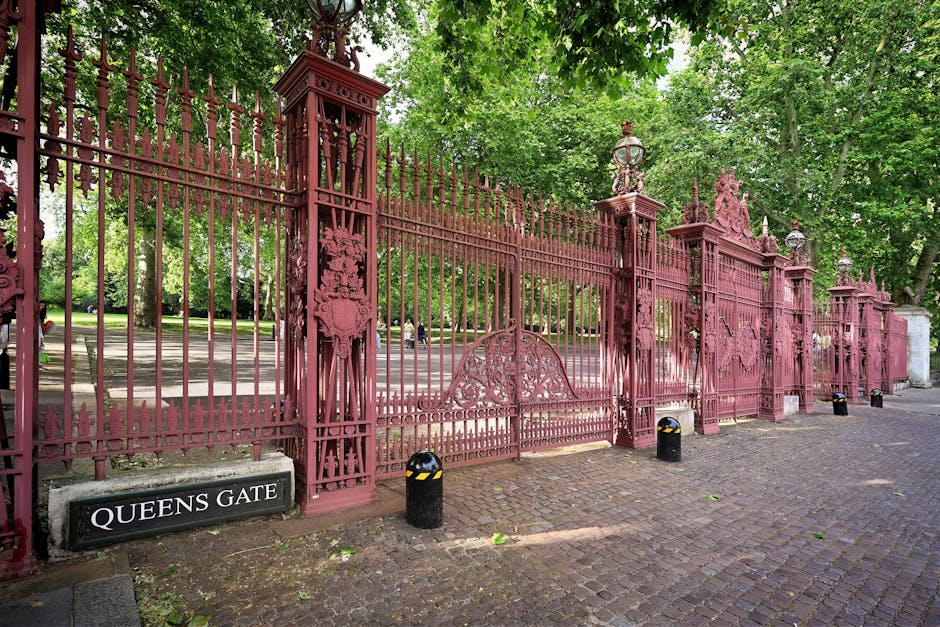
Queens Park is an area in northwest London whose identity is closely associated with the open space of Queen’s Park itself and the surrounding residential streets. The park was created in the late nineteenth century and became a focal point for the neighbourhood that grew around it. The wider district sits near the boundary of several parts of north-west London, which gives it a varied local character shaped by Victorian and Edwardian housing, later infill development and a mix of everyday high street activity. The area is known for a generally residential feel, but it also includes busy connecting routes, local shops and small clusters of independent businesses. Queen’s Park station provides an important rail and Underground link, while nearby streets reflect the changing layers of London development through terraces, converted buildings and newer apartment schemes. The park itself offers green space, sports provision and the sort of informal gathering places that help define a neighbourhood’s rhythm. Around it, the street pattern is relatively legible, yet the area still feels connected to the larger city rather than isolated from it. That combination of urban connection and local enclosure is part of what gives Queens Park its distinct place in north-west London.
What affects the cost of a removal
Price is shaped by several practical factors, and it is better to look at them individually than to assume every move should be judged the same way. The amount of furniture, the number of access points, the distance between properties and whether packing support is needed all influence the scale of the job. Stairs, parking restrictions and the need for extra handling can also affect the amount of time and labour involved. A quotation that reflects these points is usually more useful than a rough figure that ignores them.
Pricing and quotes is the natural place to review how a job is assessed and what information is useful when a quote is prepared. The aim is not to make the process feel technical; it is to make it fair and understandable. If you can describe the move clearly, the quote is more likely to match the actual work. That is especially important for jobs with mixed items, multiple stops or limited access, where a small difference in planning can have a noticeable effect on the day.
When requesting a quotation, keep the focus on the information that changes the workload. What is moving, where it is moving from and to, and whether any items need special care are usually the essential points. If you have photos or a short list, they can be useful, but the real value lies in describing the move honestly and directly. That gives the removal team a better basis for recommending the right service without overcomplicating the process.
Choosing the right removal company for the job

Different moving jobs suit different levels of support, so the main decision is usually about fit rather than labels. Some customers want a straightforward house move, others need a smaller man and van arrangement, and some require help with packing or furniture collection as part of a wider plan. The best removal company is the one that matches the work you actually need done, not the one that sounds the broadest in abstract terms. That is why it helps to define the move before you book it.
Removal company information can be useful if you want to understand the broader type of provider behind the service and the range of moving work it may handle. In practice, the important questions are simple: can the team move the items you have, can they manage the access points involved and can they organise the day in a sensible order? If those answers are clear, the move is usually easier to plan. If they are not, it is worth asking for more detail before you commit.
For a better comparison between options, think about service scope, handling needs and vehicle size together. A move that includes fragile possessions, dismantling or multi-floor access may need more than a basic transport-only arrangement. Matching the service to the job is more effective than choosing by assumption, and it often leads to a smoother experience. If you are ready to proceed, ask for a quotation and describe the move as plainly as you can.
Planning the move day sensibly
Good move-day planning keeps the job efficient without adding unnecessary complexity. A removals team works best when the route through the property is clear, the main items are identified and the loading area is ready to use. That does not mean everything must be packed to perfection, but it does mean the practical parts of the day should not be left to chance. Small decisions, such as where boxes will be stacked or which items should be loaded last, can make a real difference to how smoothly the move runs.
Here are a few points that often help when arranging the day:
- Make a short list of the largest or most delicate items first.
- Keep keys, documents and valuables separate from the main load.
- Check whether any items need dismantling before lifting begins.
- Note any parking or access limits that could affect collection or delivery.
- Confirm whether you need help with packing, loading or both.
Contact us when you are ready to ask for a quotation and talk through the practical details. A short conversation about what is being moved, where it is going and how much help you need is often enough to establish the right approach. From there, the aim is to keep the move manageable, orderly and matched to your circumstances rather than forcing it into a generic plan.