Queens Park Station removals moving guide NW6
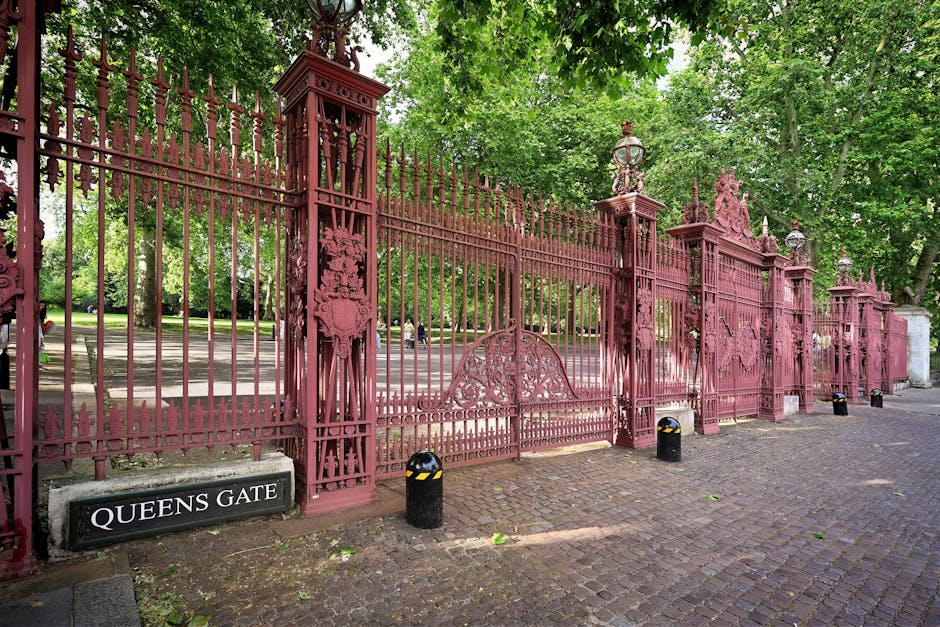
Moving near Queens Park Station can feel simple on paper and slightly chaotic in real life. One minute you are comparing boxes, the next you are trying to work out whether the van can stop without blocking a narrow street, a bus lane, or someone's driveway. This Queens Park Station removals moving guide NW6 is here to make the whole process calmer, clearer, and much more manageable.
Whether you are leaving a flat off Salusbury Road, moving into a maisonette nearby, or relocating a small office in NW6, the key is the same: plan around the area's access quirks, choose the right moving method, and avoid the little mistakes that turn moving day into a long slog. Let's get into it properly.
Why Queens Park Station removals moving guide NW6 Matters
Queens Park Station sits in one of those London pockets where small details matter. Streets can be tight, parking can disappear quickly, and even a short move can feel bigger than expected once you add staircases, timing restrictions, and neighbours who are trying to get on with their day. That is exactly why a focused removals plan for NW6 is useful.
If you are moving near the station, you are not just booking transport. You are coordinating timing, access, loading, packing, and trust. A good move here is less about brute force and more about good sequencing. Truth be told, that is usually what separates a smooth move from a stressful one.
Local removals also matter because people are often moving for very different reasons in this part of London. Some are upsizing after years in a compact flat. Others are moving in with a partner. Others are shifting a home office, or wrapping up a lease and need the place cleared fast. So the guide has to be practical, not generic.
For some readers, it may also be the first time they have used removals or compared them with a lighter option such as man and van support. That choice matters more than people think, especially when access around Queens Park Station is awkward or your furniture is bulky.
How Queens Park Station removals moving guide NW6 Works
The process is usually straightforward once you break it into stages. First, you assess what needs moving. Then you match the vehicle and crew to the volume, access conditions, and timing. After that comes packing, loading, transport, unloading, and the tidy-up that everyone forgets until the last minute. Simple enough. But the devil is in the details.
In NW6, the local context shapes the job. A smaller vehicle may be better if the road is narrow or parking is limited. A larger team and vehicle may be better if you are moving a full house, a family home, or several rooms of office furniture. If you need hands-on help at both ends, a more complete option like home moves can be a better fit than a basic lift-and-shift service.
Here is the practical flow most people follow:
- List every item that is moving, including awkward pieces and anything fragile.
- Check access at both addresses: stairs, lifts, parking, loading distance, and door widths.
- Choose the right moving support, such as a moving van, a larger moving truck, or a flexible service.
- Pack by room and label boxes clearly, especially if you are moving into a smaller space.
- Set a moving schedule that avoids obvious bottlenecks, such as school-run traffic or the busiest local times.
- Confirm insurance, payment terms, and what happens if access changes on the day.
A lot of people assume removals are only about lifting boxes. Not really. They are about risk management. Which sounds a bit dramatic until you try carrying a wardrobe down a tight stairwell at 8:15 in the morning with a parking ticket hanging over your head.
Key Benefits and Practical Advantages
The main benefit of approaching Queens Park Station moves with a proper guide is control. You reduce the guesswork, and once you reduce the guesswork, everything gets easier. You know what is being moved, who is doing what, and how long each part should take. That alone can lower stress massively.
There are also some very practical advantages:
- Better vehicle choice: You avoid booking a van that is too small or paying for a truck you do not need.
- Less damage risk: Good packing and the right handling make breakages less likely.
- Cleaner time management: Knowing the local access issues helps the move stay on schedule.
- Fewer surprises: If a staircase is awkward or parking is tricky, you plan for it instead of discovering it mid-move.
- More sensible costs: Clear scope means fewer add-ons and less last-minute panic spending.
Another quiet advantage is emotional. A move near a busy station can feel noisy and a bit rushed, especially if you can hear trains, traffic, and the usual London background hum all at once. When the job is organised properly, that noise fades into the background. You can actually think.
If you are comparing service levels, it may help to look at removal services alongside a more specific route such as house removals or office removals. Different moves need different setups. Obvious, perhaps, but easy to overlook.
Who This Is For and When It Makes Sense
This guide is useful if you are moving in, out of, or around the Queens Park Station area and you want a realistic picture of what the move will involve. It is especially relevant if:
- you live in a flat with stairs or no lift
- you have limited parking or loading access
- you are moving a family home with mixed furniture sizes
- you need help with packing as well as transport
- you are relocating a small business or home office
- you want a calmer, more organised move than a last-minute DIY scramble
For smaller loads, a service such as man with a van or man with van may be enough. For larger homes, a full crew of movers and a larger vehicle is often the more sensible choice.
It also makes sense if you are in that awkward middle ground: too much for a car or small van, not quite enough for a full-scale lorry. That is a common London situation, frankly. Many NW6 moves sit right in that middle space.
And yes, sometimes people need to move with very little notice. A new tenancy, a job change, or a renovation delay can do that. In those cases, quick coordination matters more than perfect planning. Still, a little planning goes a long way.
Step-by-Step Guidance
Here is a practical way to manage a Queens Park Station move without turning it into an all-day puzzle.
1. Take a proper inventory
Write down everything that will move. Include furniture, white goods, boxes, plants, fragile items, and anything awkward like mirrors, bikes, or a dismantled bed frame. If you are not sure whether something should be moved or disposed of, decide that early. Last-minute uncertainty slows everything down.
2. Measure access, not just rooms
People often measure the sofa but forget the staircase. Measure door frames, hallway turns, lift dimensions, and the route from front door to vehicle. In London, the actual carrying route can matter more than the room size. It is one of those boring little things that saves the day.
3. Choose the right service level
If you need only transport and light lifting, man and van removals may suit you. If you want a broader moving support package, a dedicated removal company can handle more of the pressure, including heavier furniture and more structured planning.
4. Pack in a way that helps, not hinders
Use consistent box sizes where you can. Label the top and side. Put room names on boxes, but also add a short content note like "kitchen - glassware" or "bedroom - cables". That saves endless rummaging later. Trust me, the first night in a new place is much nicer when you can find the kettle.
5. Protect the building
Use blankets, door protection, and careful corner handling if the property allows it. Flats near Queens Park Station can have shared halls and tight communal spaces, so protecting walls and floors is a sign of respect as much as caution.
6. Confirm the day plan
Agree on arrival time, contact numbers, vehicle size, and what happens if traffic or access problems crop up. A quick review the day before can prevent a lot of muddle. This is one of those small steps that sounds unnecessary until it isn't.
7. Finish with a room-by-room check
Before the team leaves, walk through each room and each cupboard. Check lofts, under beds, sheds, and behind doors. People leave chargers, passports, toys, and all sorts behind. Always the little things.
Expert Tips for Better Results
A few small choices can make a big difference.
- Book earlier than you think you need to. Good slots disappear fast, especially at weekends and month-end.
- Keep a "first night" bag aside. Put toiletries, chargers, medication, snacks, and a change of clothes in one easy-to-reach bag.
- Disassemble only what helps. Don't take apart furniture unless it genuinely makes the move safer or easier.
- Use colour coding if you have a lot of boxes. A coloured sticker per room can speed up unloading more than you would expect.
- Leave a little buffer time. In NW6, a move that looks like a two-hour job can become three if access is tight. Better to breathe than rush.
One practical tip we often find useful: keep screws, Allen keys, and fittings in sealed bags taped to the item they belong to. It is a tiny thing. But it saves the classic end-of-day moment where everyone is staring at a bed frame and saying, "Right... where did that bag go?"
If your move includes fragile or specialist items, ask about packing and unpacking services. For some people, that is the difference between a manageable day and a properly exhausting one.
Common Mistakes to Avoid
A lot of moving stress comes from avoidable mistakes rather than major problems. Here are the big ones.
- Underestimating how much stuff you have. The spare room always has more in it than you remember.
- Ignoring access issues. If parking or stairs are awkward, they are not going to magically improve on moving day.
- Choosing a vehicle by price alone. Cheap is not cheap if it takes three trips.
- Packing heavy boxes with no structure. That is how backs complain, loudly.
- Leaving decisions until the morning of the move. "We'll sort it on the day" is often the beginning of chaos.
- Forgetting disposal and recycling. Old furniture and unwanted items need a plan too.
One more mistake worth mentioning: not checking the fine print. Before you agree anything, it is sensible to review terms and conditions and understand any service limits. Not exciting, I know. But it avoids awkwardness later.
And if a move starts to feel too large for one person or one van, that is usually the cue to scale up, not tough it out. There is no prize for unnecessary suffering. Well, none that I know of.
Tools, Resources and Recommendations
You do not need fancy equipment, but a few basics make a moving day much smoother.
- Strong boxes: Use a mix of small and medium boxes so heavy items do not become unliftable.
- Packing tape and markers: Buy more than you think you need. Seriously.
- Furniture covers or blankets: Helpful for protecting upholstered items and wooden edges.
- Labels or stickers: Useful for colour coding and quick unloading.
- Toolkit: A screwdriver, Allen keys, and basic tools can rescue a last-minute dismantle.
- Phone charger and power bank: A dead phone on moving day is one of life's unnecessary little dramas.
For disposal, you may want to arrange a separate uplift for old items you no longer need. The site's furniture pick up option is worth considering if a sofa, table, or other bulky piece is not making the journey with you.
For larger or more specialised moves, the right vehicle matters. A removal van may be enough for a one-bedroom flat, while a more substantial removal truck hire arrangement can suit bigger loads or more complex relocations.
Law, Compliance, Standards, or Best Practice
For most home moves in NW6, the main compliance points are practical rather than complicated. You want safe lifting, sensible loading, honest service descriptions, and clear communication about what is included. If a move involves parking restrictions, estate access, or shared spaces, the best practice is to plan around those conditions rather than hope they will sort themselves out.
In the UK, moving companies are generally expected to handle goods with reasonable care, and customers should make sure they understand insurance cover, liability limits, and any exclusions before moving day. That is especially important if you have fragile, expensive, or sentimental items. A scratched table is one thing; a damaged heirloom is another entirely.
It is also smart to check health and safety expectations around lifting, access routes, and equipment. If you are using professional support, a provider should have a clear approach to safe handling. You can review the company's health and safety policy and insurance and safety information before booking.
Privacy and payments matter too, particularly when you are sharing address details, access instructions, or card information. It is perfectly reasonable to read the privacy policy and payment and security information so you know how your details are handled.
For business customers, a more structured route like commercial moves or office relocation services is often the better fit, because timing, equipment handling, and continuity all need a bit more care.
Best practice, in plain English? Be clear, be realistic, and do not leave the tricky stuff to chance.
Options, Methods, or Comparison Table
Choosing the right moving method depends on volume, access, and how much help you want. Here is a simple comparison.
| Option | Best for | Strengths | Watch out for |
|---|---|---|---|
| Man and van | Small flats, light loads, quick local moves | Flexible, often efficient for short distances | May be tight for bulky furniture or larger households |
| Moving van | One-bedroom to mid-sized moves | Good balance of space and manoeuvrability | Can require careful packing to fit everything safely |
| Moving truck | Large homes, multiple rooms, bigger office loads | More capacity, fewer trips | Access can be harder on narrow roads or tight estates |
| Full removal service | Busy households, fragile items, complex moves | More hands, more support, less stress | Often unnecessary for very small moves |
If you are unsure which route fits your move, start by comparing the scale of your belongings with the access at both ends. That usually tells the story. A one-bed flat with lots of books may need more space than people expect, while a larger place with minimal furniture might be simpler than it looks.
You can also look at the wider options under man with a van, removals van, and house movers depending on how hands-on you want the service to be.
Case Study or Real-World Example
Here is a realistic example. A couple moving from a two-bedroom flat near Queens Park Station had more furniture than they first admitted to themselves. Nothing outrageous. Just the usual accumulation: bed frames, a dining table, a chest of drawers, several boxes of books, two plants that somehow had names, and a bike wedged into the hallway like an afterthought.
At first, they thought a small van would do. Then they measured the sofa properly, checked the stairs, and realised the job would be tighter than expected. They switched to a larger vehicle and added packing help for fragile kitchen items. That one decision made the move feel less chaotic from the start.
On moving day, the team parked as close as access allowed, the boxes were already labelled by room, and the first load went out in order rather than in a panic pile. There was still the usual bit of noise, of course. Doors, tape, a bit of shuffling on the pavement. But the whole thing stayed controlled. By late afternoon, the place was empty except for the echo of footsteps and the smell of fresh paint in the hall.
The big lesson? Good planning does not make a move glamorous. It just makes it work.
Practical Checklist
Use this quick checklist in the days before your move.
- Confirm your moving date and arrival time
- Check access at both properties
- Measure large furniture and stair turns
- Sort what is moving, being stored, or being discarded
- Book the right service level for your load
- Pack a first-night bag
- Label all boxes clearly
- Set aside tools for dismantling and reassembly
- Protect fragile items carefully
- Review insurance, security, and service terms
- Arrange disposal or recycling for unwanted items
- Do a final walk-through before the vehicle leaves
If you want a cleaner transition into your new place, this is also a good moment to think about whether you need packing and unpacking services or just a straightforward moving team. Small difference on paper. Big difference on the day.
Conclusion
A move near Queens Park Station does not have to be stressful. With the right planning, the right vehicle, and a realistic view of access and timing, even a busy NW6 relocation can feel surprisingly manageable. The key is to treat removals as a practical project, not a last-minute rush.
Think through the route, the loading point, the furniture, the boxes, and the day itself. If you do that, you give yourself the best chance of a calm start in your new place. And honestly, that first quiet cup of tea in the new kitchen feels much better when the heavy lifting is already behind you.
Get a free quote today and see how much you can save.
Frequently Asked Questions
What is the best moving option for Queens Park Station in NW6?
The best option depends on how much you are moving and how easy access is at each property. For smaller loads, a man and van style service may be enough. For larger homes or more complex moves, a fuller removal service is usually more sensible.
How far in advance should I book a removal service?
It is usually better to book as early as you can, especially if you want a weekend slot or you are moving at month-end. For local moves in busy areas like NW6, early booking helps secure the right vehicle and timing.
Is a moving van enough for a flat near Queens Park Station?
Sometimes yes, sometimes no. A one-bedroom flat with modest furniture may fit well in a moving van, but larger furniture, more boxes, or awkward stair access can push you toward a larger vehicle.
Do I need packing help for a local move?
Not always, but it can save a lot of time if you have fragile items, a busy schedule, or a lot of kitchenware and books. Packing help is especially useful if you want to reduce stress on the day.
How do I know whether I need house removals or man and van removals?
Think about scale and complexity. If you are moving a full household, house removals is often the better fit. If your move is smaller and simpler, man and van removals may be enough.
What should I do about furniture I do not want to take?
Decide early. You can arrange furniture pick up or separate disposal so unwanted pieces do not slow down the move. Leaving that decision to the last day tends to create a bit of chaos.
Will a removal team help with stairs and awkward access?
Most professional teams will factor access into the move plan, but you should always explain stairs, lifts, narrow halls, and parking restrictions beforehand. That way the team can arrive prepared.
Are removals near Queens Park Station suitable for office moves too?
Yes. Small business relocations, studio moves, and home office setups can often be handled through a more tailored commercial or office service, depending on the volume and timing.
What should I check before agreeing a quote?
Check what is included, what happens if access is difficult, whether packing is included, and how payment works. It is also worth reading the company's policy pages, including pricing and quotes and terms and conditions.
How can I reduce the risk of damage during the move?
Use sturdy boxes, wrap fragile items properly, label everything clearly, and avoid overpacking. Good handling and proper vehicle choice matter too. If you are moving valuable or delicate pieces, confirm insurance and safety arrangements in advance.
Can I use a removals service for just one or two bulky items?
Yes, and in some cases that is the most efficient option. A furniture pick up or a light van service can be ideal for a sofa, mattress, or a couple of heavy items that are awkward to move alone.
Where can I find more information about the company before booking?
You can review the company's about us page, check recycling and sustainability details, and look at contact information if you need to ask a question before booking. A bit of background always helps when you are trusting someone with your move.